Table of contents
Few things interrupt your day quite like a sudden, sharp toothache. Whether it’s a dull ache while you’re trying to work or a jolt of pain when you sip your morning coffee, dental discomfort demands your full attention.
When a cavity forms, it breaks down the hard outer shell of your tooth (the enamel) and reaches the sensitive nerves underneath. The good news is that you don’t have to live in fear of the dental chair.
By building a few simple habits, you can protect your smile and easily master how to prevent cavity pain before it even starts.
1. Two-Minute Brushing Rule

We all know we are supposed to brush our teeth, but how we brush matters just as much as how often. Rushing through it in 30 seconds leaves behind a sticky film of bacteria called plaque.
Think of plaque like soap scum in a shower. If you just spray water on it quickly, it doesn’t go away; you have to scrub it off. To effectively clean your teeth, brush at least twice a day for two full minutes.
Use a soft-bristled toothbrush and tilt it at a 45-degree angle toward your gums. This simple adjustment ensures you clean the tiny crevices where food debris loves to hide, showing you firsthand how to prevent cavity pain. Building these habits early matters, especially for kids – pediatric dental care.
2. Never Skip the Evening Floss
If you only brush and never floss, you are leaving about 35% of your tooth surfaces dirty. A toothbrush simply cannot reach the tight spaces between your teeth.
Imagine washing your hands but completely ignoring the spaces between your fingers. Over time, dirt would build up. The same thing happens in your mouth. Leftover food trapped between teeth turns into an open buffet for cavity-causing bacteria. Making dental floss a non-negotiable part of your bedtime routine is one of the single most powerful secrets of how to prevent cavity pain.
3. Make Fluoride Your Best Friend
Fluoride is a natural mineral that acts like an invisible shield for your teeth. It actively repairs early stages of tooth decay by rewinding the damage before a full cavity forms, a process dentists call remineralization.
When you shop for oral care products, always check the label for fluoride toothpaste and mouthwash. Think of fluoride as a protective paint job on a car. Without it, the metal underneath is highly vulnerable to rust and decay.
4. Rethink Your Relationship with Sugar
Every time you eat or drink something sugary, the bacteria in your mouth throw a party. They consume the sugar and produce acid as a byproduct. This acid immediately attacks your enamel.
It isn’t just about the amount of sugar you consume, but how long it stays in your mouth. Sipping a sugary soda over three hours is far worse for your teeth than drinking a glass of juice in ten minutes.
If you regularly snack on sticky candies, dried fruits, or sodas, you are constantly bathing your teeth in acid. Cutting back on these items is a massive step forward in learning how to prevent cavity pain.
5. Drink Water Like Your Smile Depends On It

Water is the ultimate dental superfood. Drinking water throughout the day, especially after meals, washes away stray food particles and dilutes the harmful acids produced by mouth bacteria.
Furthermore, tap water in most communities contains optimal levels of fluoride. If you consistently choose tap water over bottled options, you are giving your mouth a continuous, low-dose defense boost. It keeps your mouth clean, hydrated, and resilient.
6. Boost Your Saliva Flow
Saliva is your mouth’s natural defense system. It acts like a built-in clean-up crew, washing away debris and neutralizing acids.
If you suffer from dry mouth due to stress or medication, your risk for rapid tooth decay skyrockets. You can easily stimulate saliva production by chewing sugar-free gum after meals.
Look for gum containing xylitol, a natural sweetener that actively prevents harmful bacteria from sticking to your teeth. Incorporating this quick trick into your daily routine is an effortless strategy for how to prevent cavity pain.
7. Eat Crunchy, Cavity-Fighting Foods
What you eat plays a huge role in your dental health. Processed carbohydrates like chips and crackers quickly break down into simple sugars that stick to your teeth like glue.
Instead, reach for crunchy, fresh vegetables like celery, carrots, and apples. These foods act like natural toothbrushes, gently scraping plaque off your teeth as you chew. Additionally, dairy products like plain yogurt and cheese are packed with calcium and phosphates, which actively rebuild and strengthen weak enamel.
8. Switch to an Electric Toothbrush
If you struggle with manual brushing precision, switching to a high-quality electric toothbrush can be a complete game-changer.
Electric toothbrushes deliver thousands of micro-movements per minute, removing significantly more plaque than a standard manual brush. Many models feature built-in pressure sensors that alert you if you press too hard, protecting your gums from recession.
9. Drop Unhealthy Oral Habits
Your teeth are designed strictly for chewing food. Using them as tools to open plastic packaging, crack nuts, or bite your fingernails introduces severe structural risks.
These habits create microscopic fractures in your enamel. Once the outer layer is cracked, bacteria can easily bypass your tooth’s defenses and create deep, painful cavities. Treat your teeth with care, and leave the heavy lifting to scissors and bottle openers.
10. Visit Your Dentist Every Six Months
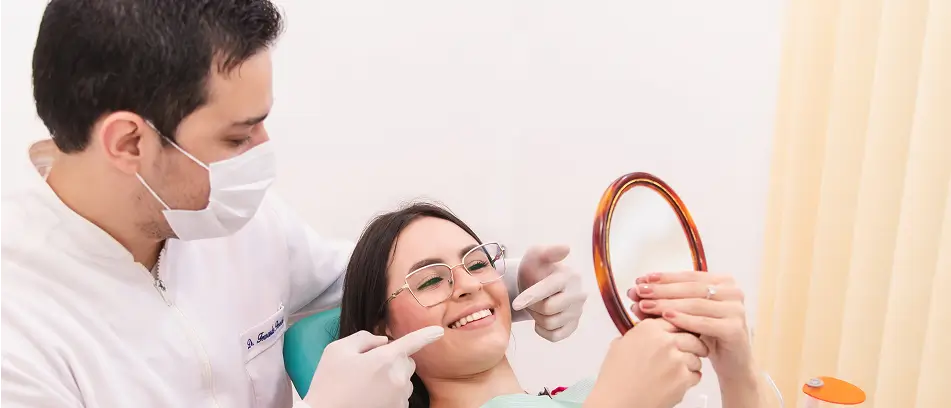
Even if you maintain an immaculate brushing routine at home, plaque can eventually harden into a substance called tartar. Tartar cannot be removed with a standard toothbrush; it requires professional removal by a dental hygienist.
Routine dental visits allow your dentist to catch warning signs early, long before they turn into severe pain or require expensive root canals. To learn more about standard preventative cleanings and what to expect at your next checkup, you can read about ADA Dental Preventive Care Guidelines to keep your oral health tracking perfectly.
Conclusion
Preventing tooth decay doesn’t require an overnight lifestyle overhaul. By making small, intentional adjustments to your daily routine, like tracking your two-minute brushing window, staying hydrated, and cutting down on prolonged sugary snacks, you can easily prevent cavity pain and keep your natural teeth healthy for a lifetime. Consistency is your greatest tool, and your mouth will instantly reward your efforts.
You don’t have to wait for a toothache to strike before you start caring for your smile. At Power Smiles, we are dedicated to helping you achieve a radiant, healthy, and completely pain-free smile with advanced, gentle preventative care tailored just for you.
Don’t let hidden plaque turn into tomorrow’s discomfort and let us help you keep your teeth in perfect shape!
Frequently Asked Questions
If a cavity is caught in its earliest stage, when it is just a small white spot on the enamel, it can be reversed using fluoride and excellent oral hygiene. However, once the decay breaks through the enamel and creates a physical hole, it cannot heal itself and requires a professional filling.
Tooth pain can stem from several issues besides visible cavities. You could be experiencing gum recession, a hidden fracture between teeth, or tooth sensitivity caused by nighttime teeth grinding (bruxism). It is best to let a professional examine it.
You should replace your toothbrush or electric brush head every three to four months. If the bristles look frayed, bent, or splayed out before then, replace it sooner, as a worn-out brush won’t clean your teeth effectively.
No. In fact, many charcoal toothpastes are highly abrasive. While they might remove superficial stains initially, they can gradually wear down your enamel over time, making your teeth more vulnerable to decay and sensitivity.
If you need temporary relief before your dental appointment, rinse your mouth with warm salt water and take over-the-counter pain relievers like ibuprofen. You can also apply a cold compress to the outside of your cheek to reduce throbbing.