
10 Simple Ways to Prevent Cavity Pain and Keep Your Teeth Healthy
Home > Blog > 10 Simple Ways to Prevent Cavity Pain and Keep Your Teeth Healthy 10 Simple Ways to Prevent Cavity Pain and Keep Your Teeth Healthy Table of

Have you ever taken a sip of chilled water or hot tea and felt that sudden electric shock in your tooth, the kind that makes you freeze for a second?
If you have ever avoided ice cream, citrus fruits, or even brushing properly because of that sharp sting, you are dealing with tooth sensitivity.
Studies in clinical dentistry suggest that 15 to 30% of adults globally experience dentin hypersensitivity, and in some age groups (20 to 40 years), the prevalence can go even higher.
That means nearly 1 in 3 people may struggle with it at some point. Yet many people don’t fully understand what causes sensitive teeth or why tooth sensitivity occurs in the first place.
The good news? Once you understand the science behind it, learning how to prevent tooth sensitivity becomes much easier and far more effective. Let’s break it down properly.
When dentin becomes exposed, those microscopic tubules act like tiny open channels that lead directly to the nerve. Hot, cold, sweet, acidic, or even cold air can stimulate fluid movement inside these tubules and that is what triggers pain.
So if you are wondering why tooth sensitivity occurs, it is essentially nerve stimulation due to exposed dentin.

Even habits that seem healthy such as drinking warm lemon water every morning, can gradually wear down enamel if done daily without rinsing afterward.
The tricky part? You do not feel any enamel erosion. There is no warning. But once enough enamel is gone, the sensitive dentin layer underneath becomes exposed and that is when the discomfort begins.
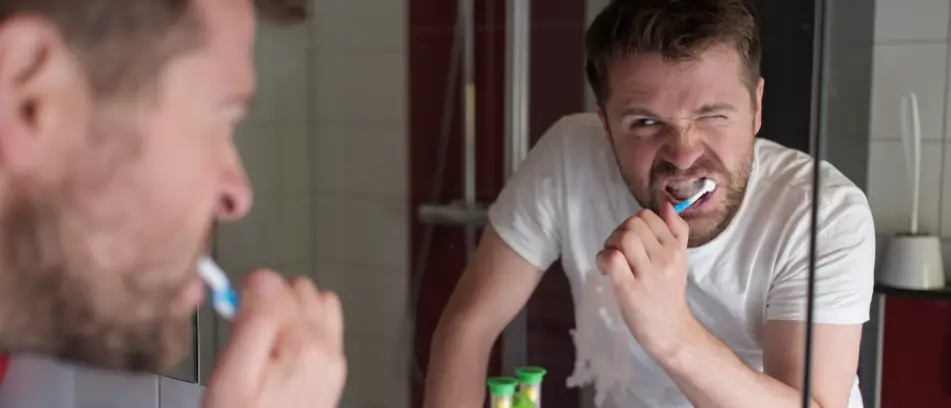
Let me ask you something: when you brush, are you scrubbing like you’re cleaning a stubborn stain off a pan? A lot of people think brushing harder means brushing better. It doesn’t.
Using a hard-bristled toothbrush or applying excessive force actually damages enamel and irritates your gums. Over time, this can cause microscopic enamel wear and push the gum tissue downward.
More pressure does not equal cleaner teeth. In fact, it can speed up sensitivity. Your teeth need gentle and consistent cleaning. Q
Do you wake up with jaw soreness or mild headaches? You might be grinding your teeth at night without realizing it.
Teeth grinding, also known as bruxism, puts intense pressure on your enamel. Over time, that repeated friction gradually thins the enamel layer. It is slow damage but it adds up.
Stress is one of the biggest contributors to nighttime grinding. And because it often happens during sleep, people don’t connect it to their sensitivity.
If left unmanaged, grinding can lead not only to sensitivity but also to cracks and structural wear.
Here is where it gets important. Sometimes what feels like simple sensitivity is actually something deeper.
A cracked tooth or cavity allows external stimuli to reach the inner layers of the tooth more easily. This creates sharp, localized pain and especially when biting down or consuming something hot or cold.
Look for ingredients like potassium nitrate, stannous fluoride and strontium chloride. These work by blocking the dentinal tubules and reducing nerve response. Apply it twice daily. For better results, dab a small amount directly on sensitive areas before sleeping.
Consistency matters more than brand and this is one of the most effective long-term strategies for how to reduce sensitivity of teeth.
Make sure you switch to a soft-bristled toothbrush, circular motions and also gentle pressure. Also it is important to brush for 2 minutes thoroughly.
If you have been “scrubbing,” your gums and enamel may need time to recover. This alone can dramatically help in how to control sensitive teeth.
Fluoride helps remineralize weakened enamel. You can use:
Remineralization is the biological process of restoring lost minerals to enamel. Once enamel becomes too thin, it does not regenerate naturally, so prevention is really critical.
Acid frequency matters more than acid quantity. Instead of sipping acidic drinks throughout the day:
Brushing immediately after acid exposure can further soften enamel. This is an essential part of learning how to avoid tooth sensitivity.
If you wake up with jaw pain or headaches, you may be grinding at night. A dentist can provide custom night guards, bite correction and muscle relaxation strategies. Ignoring grinding accelerates enamel wear silently.
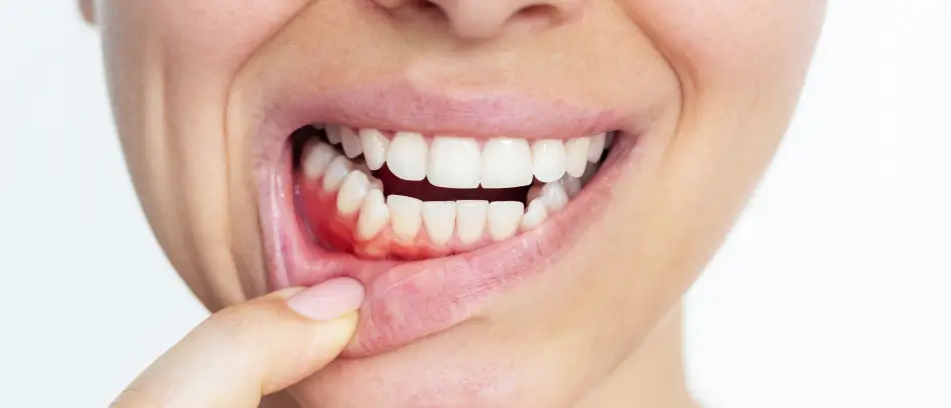
Healthy gums protect the roots. Floss gently once daily. Not flossing allows plaque to accumulate along the gum lines, leading to inflammation and recession.
Gum care is often overlooked when people search for how to prevent tooth sensitivity but it is a major factor.
The important thing? You don’t have to “just deal with it.” There is always a solution and you just need the right one for your situation.
If you think about it, brushing your teeth takes about 4 minutes per day. That is less than 0.3% of your day. But that small investment protects your smile, your heart, your metabolism, and your confidence.
So next time you feel tempted to skip brushing because you are tired, remember, your future self is watching. Oral health is not about perfection; it is about daily, mindful maintenance of oral hygiene. You deserve a healthy mouth, not just a white smile.
Minor sensitivity may improve with proper care, but exposed dentin does not regrow enamel.
Not always. With correct treatment, symptoms can be managed or eliminated.
Desensitizing toothpaste usually shows improvement in 2 to 4 weeks.
Fluoride mouthwash helps strengthen enamel but avoid alcohol-based rinses.
No. Continue gentle brushing to maintain oral health.
Other Blogs
Home > Blog > 10 Simple Ways to Prevent Cavity Pain and Keep Your Teeth Healthy 10 Simple Ways to Prevent Cavity Pain and Keep Your Teeth Healthy Table of

Remember when teeth straightening meant surviving a two-year sentence of metal brackets, snapped wires, and a strictly enforced ban on popcorn?
Many people focus on keeping their teeth white and cavity-free, but healthy gums are just as important. Gum recession is a common dental problem that often develops slowly, making it
WhatsApp us