Table of contents
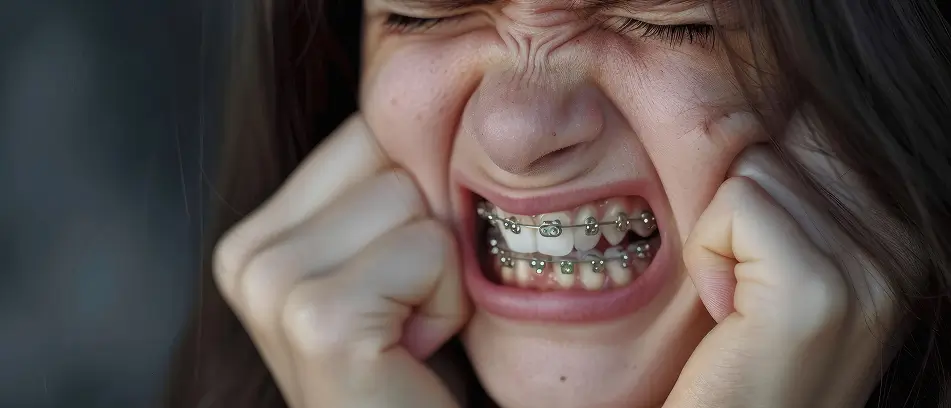
A tight feeling in the jaw, difficulty chewing your favorite foods, irritation in the cheeks, or sudden tooth sensitivity and other other common teeth braces side effects are among the most common concerns patients experience during orthodontic treatment.
Many people begin their braces journey excited about achieving a straighter smile, but the first few weeks can feel uncomfortable and unfamiliar. The good news? Most braces side effects are temporary, manageable, and completely normal when supervised by an experienced orthodontist.
In fact, according to the American Association of Orthodontists, nearly 4 million people in the United States wear braces at any given time, including adults.
Understanding what is normal, what needs attention, and how orthodontic care can improve comfort makes the braces journey far less stressful.
Why Do Braces Cause Side Effects?
Braces work by applying controlled pressure on teeth to gradually move them into proper alignment. This movement affects not only the teeth but also the surrounding ligaments, bone, and soft tissues inside the mouth. Since the body is adapting to these changes, some temporary discomfort is expected.
Think about it this way: If you start a new gym workout after months of inactivity, your muscles feel sore because they are adapting. Braces create a similar adjustment process for the teeth and jaw.
The important thing to understand is that braces side effects are usually signs that the treatment is actively working.
Mild Pain and Pressure After Tightening
One of the most common experiences with braces is soreness after adjustments. Many patients describe it as a dull pressure rather than sharp pain.
This happens because the orthodontic wire is adjusted to continue guiding tooth movement. The pressure activates the tissues around the teeth, causing temporary inflammation and sensitivity.
Patients often ask: “How long will this pain last?”
For most people, discomfort lasts between 3 to 5 days after tightening appointments. Soft foods, cold compresses, and orthodontist-recommended pain relief methods usually help significantly.
For example, a teenager getting braces for the first time may feel tenderness while biting into foods like apples or sandwiches. Switching to softer foods such as yogurt, soup, rice, mashed vegetables, or smoothies for a few days can make eating easier.
Orthodontists also use modern low-force wires that reduce excessive pressure compared to older brace systems, improving overall comfort during treatment.
Mouth Sores and Cheek Irritation
Brackets and wires can rub against the inner cheeks and lips, especially during the initial weeks. This friction may lead to small ulcers or irritation spots inside the mouth.
Although uncomfortable, this side effect is temporary because the mouth gradually develops resistance to rubbing. Orthodontic wax is commonly provided to create a protective barrier between the braces and soft tissues.
For example, A patient who recently started braces may develop irritation while speaking for long hours at work or school. Applying wax to the sharp bracket edge can immediately reduce friction and improve comfort.
Saltwater rinses also help soothe irritated tissues and speed up healing.

Difficulty Eating Certain Foods
Eating habits often change temporarily after the placement. Hard, sticky, or crunchy foods may become difficult or unsafe because they can damage brackets and wires.
Patients frequently wonder: “Will I have to stop eating my favorite foods forever?” Not at all. Most food restrictions are temporary precautions designed to protect the braces system.
Foods commonly avoided during braces treatment include:
- Hard candies
- Popcorn
- Sticky chewing gum
- Nuts
- Ice cubes
- Extremely crunchy snacks
Instead, orthodontists recommend braces-friendly alternatives that are easier on the teeth and appliances.
Interestingly, dietary adjustments during orthodontic treatment sometimes encourage healthier eating habits. Research on dental care has shown that patients with braces often reduce their intake of sugary snacks, which may improve oral health during treatment.
Tooth Sensitivity
Some patients experience increased sensitivity to cold drinks, sweets, or pressure while chewing. This happens because tooth movement temporarily affects the nerves inside the teeth.
Sensitivity is generally mild and improves as the teeth stabilize. Using toothpaste designed for sensitive teeth can help reduce discomfort. Orthodontists may also recommend avoiding extremely cold beverages immediately after tightening appointments.
If sensitivity becomes severe or persistent, it should always be evaluated professionally to rule out underlying dental issues.
Temporary Speech Changes
Braces can slightly affect speech at first, especially with lingual braces or aligners. Certain sounds like “s” or “sh” may feel difficult for a short time.
This happens because the tongue needs time to adapt to the new appliance inside the mouth.
Most patients naturally adjust within a few days or weeks. Reading aloud, practicing conversations, and staying patient during the adaptation phase usually help improve speech quickly.
Children and teenagers typically adapt faster because their oral muscles are highly responsive to change.
Jaw Tightness and Mild Headaches
As teeth begin shifting into new positions, the jaw muscles may temporarily feel strained. Some patients report mild headaches or jaw tightness after orthodontic adjustments.
This is particularly common in patients who previously had bite alignment issues such as overcrowding, overbite, or crossbite.
Orthodontists carefully monitor bite changes during treatment to ensure the jaw adapts safely and comfortably.
Warm compresses, hydration, adequate sleep, and avoiding excessive chewing can help relieve temporary muscle tension.
Gum Swelling and Oral Hygiene Challenges
Braces create additional spaces where plaque and food particles can accumulate. Without proper cleaning, patients may notice swollen gums, bad breath, or plaque buildup.
This is not directly caused by braces themselves but by difficulty maintaining oral hygiene around brackets and wires.
According to oral health studies, patients with braces who follow professional cleaning routines significantly reduce their risk of gum inflammation and tooth decay during treatment.
Orthodontists usually recommend:
- Interdental brushes
- Water flossers
- Fluoride mouthwash
- Soft-bristled toothbrushes
- Regular dental cleanings
For example, a patient who brushes normally but skips flossing may begin noticing puffy gums near the brackets after several weeks. Introducing water flossing and improved cleaning techniques often resolves the issue quickly.
Loose Brackets and Poking Wires
Occasionally, a bracket may loosen, or a wire may shift and poke the cheek. While this can feel alarming, it is usually a minor orthodontic issue rather than an emergency.
Orthodontists provide guidance on temporary fixes until the next appointment. Orthodontic wax can cover poking wires, while avoiding hard foods helps prevent further damage.
Patients should contact the clinic if:
- A wire causes persistent injury
- A bracket completely detaches
- Severe pain develops
- Swelling or infection appears
Prompt communication allows the orthodontic team to maintain treatment progress while preventing unnecessary discomfort.
Emotional and Social Adjustment
Braces can also affect confidence, especially for teenagers and adults who feel self-conscious about appearance.
However, this concern usually fades as patients become comfortable with their braces and begin noticing visible improvements in their smile alignment.
Today’s orthodontic options, including ceramic braces and clear aligners, are designed to be more discreet and aesthetically appealing than traditional metal braces from previous decades.
Many patients eventually see braces as a positive investment in their appearance, oral health, and long-term confidence.
How Orthodontists Ensure Patient Comfort
Modern orthodontics focuses heavily on patient comfort and personalized treatment planning. Advances in technology have significantly reduced the discomfort traditionally associated with braces.
Here’s how orthodontists improve the treatment experience:
Personalized Treatment Planning
Every patient has different bite issues, tooth structure, pain tolerance, and treatment goals. Orthodontists carefully evaluate these factors before designing a treatment plan.
Low-force movement techniques help minimize unnecessary pressure while still achieving effective results.
Advanced Braces Technology
Modern brace systems use smaller brackets, smoother materials, and flexible wires that create gentler tooth movement.
Self-ligating braces, for instance, reduce friction and may improve comfort compared to older traditional systems.
Regular Monitoring
Frequent check-ups allow orthodontists to identify issues early before they become uncomfortable or delay progress.
Adjustments are carefully controlled to avoid excessive force on teeth and jaw structures.
Patient Education
One of the biggest factors in reducing brace discomfort is proper guidance. Patients who understand what to expect often feel less anxious and manage side effects more confidently.
Orthodontic teams educate patients about:
- Oral hygiene techniques
- Food precautions
- Managing soreness
- Emergency care tips
- Appliance maintenance
This ongoing support creates a smoother and more comfortable treatment experience.
When Are Braces Side Effects Not Normal?
While most braces-related discomfort is temporary, certain symptoms require immediate professional attention. Patients should contact their orthodontist if they experience:
- Severe or worsening pain
- Persistent bleeding gums
- Significant swelling
- Fever or signs of infection
- Difficulty opening the mouth
- Broken appliances causing injury
- Sudden tooth mobility beyond expected movement
Early intervention prevents complications and keeps treatment on track.

Conclusion
Braces treatment is a gradual journey that requires patience and consistency. Mild soreness, irritation, or sensitivity are common during the adjustment phase, but these side effects are usually temporary and part of the teeth-aligning process. With the right orthodontic care, guidance, and modern treatment techniques, your comfort can be effectively managed throughout the journey.
At PowerSmiles, we focus on creating a comfortable, personalized orthodontic experience for every patient. From advanced braces solutions to continuous support during treatment, our goal is to help you achieve a healthier, more confident smile with minimal discomfort.
Ready to start your smile transformation? Book a consultation with PowerSmiles today and let our experts guide you toward the right braces treatment for your needs.
Frequently Asked Questions
Mild soreness typically lasts for 3 to 5 days after getting braces or after adjustments. Most patients feel significantly better within a week.
Yes, temporary irritation or small ulcers can occur when brackets rub against the cheeks or lips, especially during the first few weeks.
Avoid hard, sticky, or crunchy foods such as popcorn, chewing gum, nuts, and hard candies, as they can damage brackets and wires.
Yes, slight looseness is normal because teeth need to move into new positions during orthodontic treatment.
Using orthodontic wax, eating soft foods, maintaining good oral hygiene, and following your orthodontist’s instructions can help improve comfort during treatment.