
Many people focus on keeping their teeth white and cavity-free, but healthy gums are just as important. Gum recession is a common dental problem that often develops slowly, making it easy to overlook in the early stages.
According to the American Dental Association, nearly half of adults over the age of 30 show some form of gum disease, which can contribute to gum recession.
When gum tissue pulls away from the teeth, it exposes more of the tooth surface and sometimes even the root. This can lead to sensitivity, discomfort, and an increased risk of tooth damage. Understanding the causes of gum recession can help you take preventive steps before the condition becomes more serious.
Let’s understand the causes of gum recession, what warning signs to watch for, and when it is time to consult a periodontist.
What Is Gum Recession?
Gum recession occurs when the gum tissue surrounding a tooth gradually moves downward or pulls back. As a result, more of the tooth becomes visible. In severe cases, the root surface may become exposed.
Healthy gums fit snugly around teeth and protect the underlying structures. When gums recede, they leave vulnerable areas exposed to bacteria and plaque buildup. Over time, this can lead to decay, infection, and even tooth loss if left untreated.
Many patients do not notice the problem immediately because gum recession often progresses slowly. Regular dental examinations play an important role in identifying the issue early.
Common Causes of Gum Recession

Understanding the causes of gum recession is the first step toward prevention. Several factors can contribute to the condition.
Gum Disease
Periodontal disease is one of the most common reasons gums recede. Bacterial infections damage gum tissue and the bone supporting the teeth. As the infection progresses, the gums begin to pull away from the teeth.
For example, a patient who ignores bleeding gums for several months may eventually develop significant gum recession due to untreated periodontal disease.
Aggressive Brushing
Many people believe brushing harder cleans teeth better. In reality, brushing too aggressively can wear away gum tissue and enamel.
Using a hard-bristled toothbrush or applying excessive pressure daily may gradually cause gums to recede. Dentists often recommend soft-bristled toothbrushes and gentle brushing techniques.
Genetics
Some individuals are naturally more susceptible to gum problems. Even with excellent oral hygiene habits, genetics can increase the likelihood of developing gum recession.
Research suggests that family history plays a role in determining gum thickness and overall periodontal health.
Tobacco Use
Smoking and chewing tobacco significantly affect gum health. Tobacco reduces blood flow to the gums and weakens the body’s ability to fight infection.
Among the major causes of gum recession, tobacco use remains one of the most preventable risk factors.
Teeth Grinding and Clenching
Excessive force from grinding or clenching can place stress on the teeth and surrounding tissues. Over time, this pressure may contribute to gum recession.
Many patients grind their teeth while sleeping and remain unaware of the habit until a dentist identifies signs of damage.
Misaligned Teeth
When teeth do not fit together properly, certain areas experience excessive pressure during chewing. This uneven force can gradually affect the gums and supporting structures.
Orthodontic treatment may help reduce these risks and improve long-term gum health.
Warning Signs You Should Not Ignore

Recognizing the signs of gum recession early can prevent more extensive dental problems later. While symptoms vary, several warning signs commonly appear.
Increased Tooth Sensitivity
One of the earliest indicators is sensitivity to hot, cold, sweet, or acidic foods. Exposed tooth roots lack the protective enamel covering found on the crown of the tooth.
For example, drinking iced water may suddenly cause discomfort that was not present before.
Teeth Looking Longer
As gums pull back, more of the tooth becomes visible. Many patients notice their teeth appear unusually long compared to previous years.
Visible Tooth Roots
In some cases, the root surface becomes exposed and visible near the gumline. This area often appears darker than the crown of the tooth.
Swollen or Bleeding Gums
Bleeding during brushing or flossing should never be ignored. Inflamed gums often indicate an underlying problem that may eventually lead to recession.
Small Spaces Between Teeth
As gum tissue recedes, gaps may develop between teeth and gums. Food particles and bacteria can easily accumulate in these spaces.
If you notice any of these symptoms, schedule a dental evaluation as soon as possible.
How Gum Recession Affects Oral Health
The impact of gum recession extends beyond cosmetic concerns. Exposed roots are more vulnerable to decay because root surfaces are softer than enamel.
The condition can also increase sensitivity, making everyday activities such as eating and drinking uncomfortable. In advanced cases, supporting bone may deteriorate, causing teeth to loosen.
The long-term consequences often become more severe when the underlying causes of gum recession remain untreated. Addressing the source of the problem is essential for preserving oral health.
When Should You See a Periodontist?
A periodontist specializes in diagnosing and treating gum-related conditions. While general dentists often identify gum recession, certain situations require specialized care. You should consider seeing a periodontist if:
- Gum recession continues to worsen despite good oral hygiene.
- Multiple teeth show signs of recession.
- Teeth feel loose or unstable.
- Persistent bleeding occurs during brushing or flossing.
- You have a history of gum disease.
- Significant tooth sensitivity affects daily activities.
For example, a patient experiencing recession around several teeth combined with chronic bleeding gums may benefit from advanced periodontal treatment. Early intervention often leads to better outcomes and less invasive procedures.
Treatment Options for Gum Recession
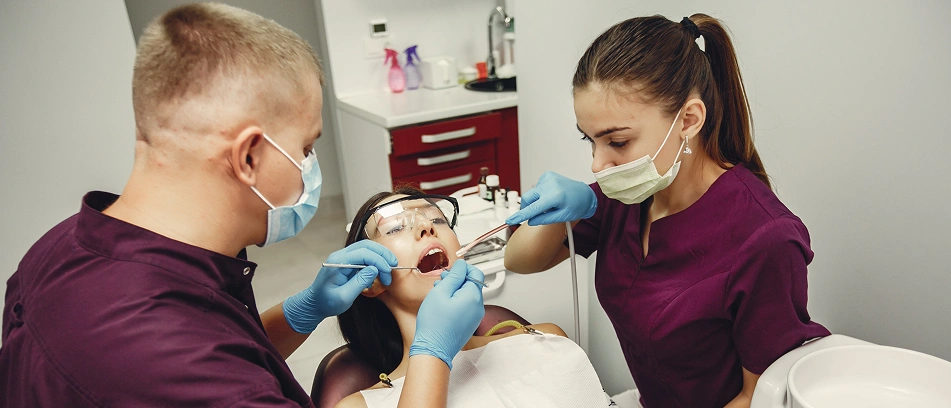
Many patients ask how to treat gum recession once it develops. The answer depends on the severity of the condition and its underlying cause. For mild cases, professional dental cleanings and improved oral hygiene habits may be enough to stop progression.
Dentists may also recommend:
Scaling and root planning to remove bacteria beneath the gumline.
Custom night guards for teeth grinding.
Orthodontic treatment for alignment issues.
Lifestyle changes such as quitting smoking.
For advanced recession, gum grafting procedures may help restore lost tissue and protect exposed roots. Modern techniques have made these treatments more comfortable and effective than ever before.
Preventing Future Gum Recession
Prevention is always easier than treatment. Fortunately, many of the causes of gum recession can be addressed through healthy habits.
Brush gently using a soft-bristled toothbrush and fluoride toothpaste. Floss daily to remove plaque from areas your toothbrush cannot reach. Schedule regular dental checkups and professional cleanings.
If you smoke, consider quitting. Tobacco cessation not only improves gum health but also benefits overall wellness.
Patients who grind their teeth should discuss protective night guards with their dentist. Addressing these issues early can significantly reduce the risk of future gum damage.
Conclusion
Gum recession is a common but often overlooked dental condition. Left untreated, it can lead to sensitivity, root decay, bone loss, and even tooth loss. Understanding the causes of gum recession allows you to take preventive action before serious complications develop.
If you have noticed signs of gum recession or are experiencing tooth sensitivity, seeking professional advice early can help prevent further damage. At PowerSmiles dental, our experienced dental team provides comprehensive gum health assessments and personalized treatment plans to help restore and protect your smile.
Schedule a consultation today and take the first step towards healthier gums and long-term oral health.
Frequently Asked Questions
No. Once gum tissue recedes, it does not grow back naturally. However, professional treatments can help stop further recession and restore gum coverage in some cases.
Gum disease is one of the most common causes. Aggressive brushing, tobacco use, teeth grinding, and genetics can also contribute.
Yes. If left untreated, it can lead to tooth sensitivity, root decay, bone loss, and eventually tooth loss.
You should see a periodontist if you notice exposed roots, increasing sensitivity, bleeding gums, loose teeth, or worsening recession.
In many cases, yes. Gentle brushing, daily flossing, regular dental checkups, and avoiding tobacco can significantly reduce the risk of gum recession.