Table of contents
Have you ever wondered why braces or clear aligners take months, sometimes years, to straighten teeth instead of just a few weeks? Many patients begin orthodontic treatment expecting fast results. Understanding the Biology of Tooth Movement helps explain why orthodontic treatment requires time, patience, and gradual adjustments for safe and long-lasting results
After all, if teeth can shift out of place over time, why can’t they move back quickly? The answer lies deep inside the body’s natural healing system and the fascinating biology of tooth movement.
Orthodontic treatment is not simply about pushing teeth into new positions. It is a carefully controlled biological process involving bone remodeling, ligament adaptation, blood flow, and cellular activity. Moving teeth too quickly can damage gums, weaken roots, and even lead to long-term oral health complications. That is why orthodontists focus on gradual, controlled pressure rather than forceful movement.
How Do Braces Actually Move Your Teeth?
Teeth are not fused directly to the jawbone. Instead, they are attached through a soft connective tissue called the periodontal ligament (PDL). This ligament acts like a tiny shock absorber between the tooth root and the surrounding bone.
When braces or aligners apply pressure to a tooth, two different reactions occur on opposite sides of the root:
- On the pressure side, the bone begins to break down to create space for the tooth to move.
- On the tension side, new bone forms to support the tooth in its new position.
This process is known as bone remodeling. It is the foundation of orthodontic tooth movement and one of the most important concepts in the biology of tooth movement.
Special cells control this process:
- Osteoclasts remove old bone.
- Osteoblasts build new bone.
The body constantly balances these activities to maintain healthy teeth during treatment. If the movement happens too aggressively, the balance can be disrupted.
Why Orthodontic Treatment Takes Time
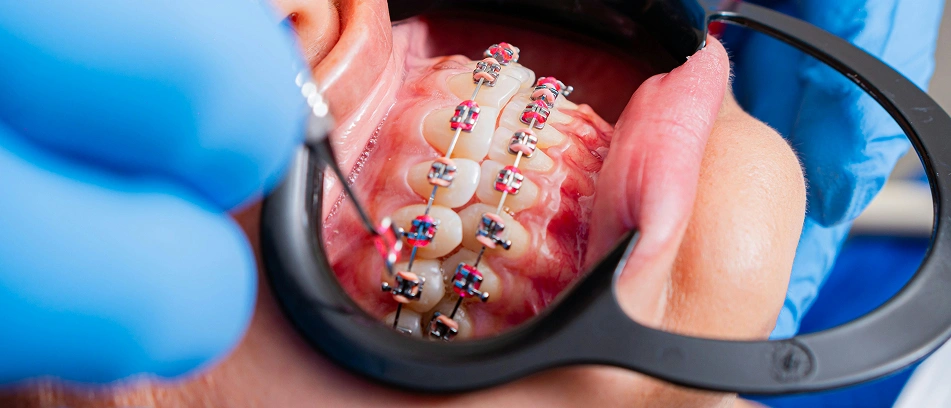
One of the biggest misconceptions about braces is that a stronger force means faster results. In reality, excessive pressure can slow treatment down and increase the risk of complications.
The tissues around the teeth need time to respond biologically. Blood vessels inside the periodontal ligament become compressed when force is applied. The body then triggers an inflammatory response that activates bone-remodeling cells.
Research published by the American Association of Orthodontists shows that average orthodontic treatment lasts between 18 and 24 months for most patients. This timeline allows the bone and supporting tissues to adapt safely and predictably.
In simple terms, teeth move best when the body has enough time to heal and rebuild.
The Role of Inflammation in Tooth Movement
Inflammation often sounds negative, but in orthodontics, it is actually part of the healing process. When orthodontic force is applied, the body releases chemical messengers called cytokines and prostaglandins. These signals tell the bone cells to begin remodeling.
This controlled inflammatory response is temporary and necessary. It is also why mild soreness is common after braces are tightened or when switching to a new aligner tray.
However, there is a fine balance. Too much pressure can reduce blood flow to the periodontal ligament, leading to tissue damage rather than healthy remodeling. This condition, known as hyalinization, can delay tooth movement and increase discomfort.
The biology of tooth movement proves that the body responds better to gentle, consistent force rather than sudden aggressive pressure.
Why Fast Orthodontics Can Be Risky
Many advertisements promote “faster braces” or rapid orthodontic solutions. While some accelerated techniques can safely support treatment under professional supervision, excessively fast tooth movement can create serious problems.
Root Resorption
One major concern is root resorption, where the roots of teeth begin to shorten. This occurs when excessive pressure damages the root structure during movement. Studies estimate that mild root resorption affects up to 80% of orthodontic patients to some degree, although severe cases are far less common. Slow, controlled treatment significantly reduces this risk.
Gum Recession
Moving teeth too quickly can also affect gum tissue. If teeth are pushed outside the natural bone boundaries, gums may recede, exposing sensitive root surfaces.
Bone Loss
Healthy bone remodeling requires time. Rapid movement may outpace the body’s ability to rebuild bone properly, leading to weaker support around the teeth.
Increased Pain and Discomfort
Heavy orthodontic force often causes more pain because the tissues become compressed beyond healthy limits. This is why experienced orthodontists prioritize biologically safe movement over unrealistic speed.
How Clear Aligners Use Controlled Biology
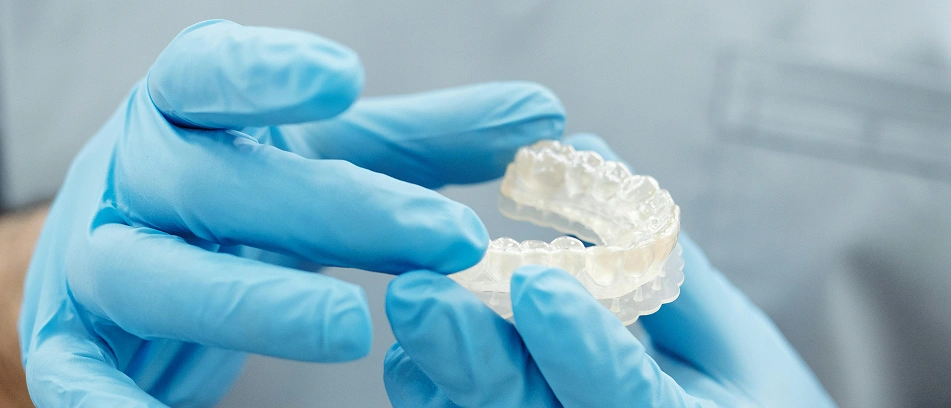
Clear aligners work according to the same biological principles as braces. Each aligner tray applies small, carefully planned movements to specific teeth.
Patients are usually instructed to wear aligners for 20–22 hours daily and switch trays every one to two weeks. This schedule allows the bone and ligament tissues to adapt gradually.
Skipping ahead to future trays may seem tempting, but it can interfere with the natural biology of tooth movement and increase the risk of poor tracking, discomfort, or incomplete correction. The success of aligners depends heavily on consistency and patience.
Age and Tooth Movement
Many people believe orthodontic treatment only works well in teenagers, but adults can achieve excellent results too.
The difference is that younger patients often experience faster tooth movement because their bone metabolism is more active. In adults, bone remodeling still occurs, but the process may take slightly longer.
Nearly one in three orthodontic patients today is an adult. Advances in orthodontic technology have made treatment more comfortable and discreet for older patients. Regardless of age, the biological process remains the same. Teeth move safely only when bone and soft tissues are given enough time to adapt.
Why Retainers Matter After Treatment
Orthodontic treatment does not end when braces come off. Retainers play a critical role in stabilizing the results.
After teeth move into new positions, the surrounding bone and gum fibers need additional time to reorganize. Without retainers, teeth naturally tend to drift back toward their original positions.
This phenomenon is called relapse. The biology of tooth movement explains why retention is essential. Even after teeth appear straight, microscopic tissue remodeling continues beneath the surface.
Wearing retainers consistently helps the bone mature around the teeth and preserves the final alignment.
Nutrition and Oral Health During Orthodontic Treatment

The body’s healing response directly affects tooth movement, which means overall health matters during orthodontic care.
A nutrient-rich diet supports bone remodeling and tissue repair. Calcium, vitamin D, phosphorus, and protein all contribute to healthy bone metabolism.
Good oral hygiene is equally important. Plaque buildup around braces or aligners can lead to gum inflammation, which may interfere with controlled tooth movement.
Orthodontists often recommend:
- Brushing after meals
- Flossing daily
- Reducing sugary snacks
- Staying hydrated
- Attending regular dental cleanings
Healthy gums and bone create the best environment for predictable orthodontic results.
Technology Has Improved - But Biology Still Sets the Pace
Modern orthodontics has advanced significantly over the past decade. Digital scanning, 3D treatment planning, self-ligating braces, and clear aligners have improved comfort and efficiency.
However, no technology can completely override human biology.
Even the most advanced orthodontic systems must respect the natural pace of bone remodeling and tissue adaptation. Treatment may become more precise and comfortable, but the body still needs time to respond safely.
This is why orthodontists carefully monitor progress through periodic adjustments and follow-up appointments. Every patient’s biology responds differently, so treatment plans are customized accordingly.
Conclusion
Orthodontic treatment is far more than a cosmetic process. It is a delicate interaction between mechanical force and the body’s natural healing system.
While patients often hope for immediate results, faster is not always better when it comes to moving teeth. Slow, consistent pressure allows the teeth, bone, and gums to remain healthy throughout treatment while creating stable long-term alignment.
If you are considering orthodontic treatment, expert guidance makes all the difference. At Power Smiles Dental & Orthodontic Clinic, experienced orthodontic professionals provide personalized treatment plans designed for safe, effective, and long-lasting smile transformations. Book a consultation today to begin your journey toward a healthier and more confident smile.
Frequently Asked Questions
Orthodontic treatment takes time because the bone and tissues around the teeth need to remodel gradually for safe and stable movement.
Mild discomfort or pressure is normal, especially after adjustments, but severe pain is uncommon with properly controlled orthodontic force.
Yes. Moving teeth too fast can increase the risk of root resorption, gum recession, and bone damage.
Retainers help stabilize teeth in their new positions while the surrounding bone and tissues fully adapt and strengthen.