A confident smile is often seen as a reflection of professionalism, personality, and self-assurance, yet for many, slightly crooked teeth, visible gaps, or mild misalignment can lead them to hold back in conversations.
What makes this more concerning is that over 60% of adults are unhappy with their dental alignment, yet many delay treatment due to the visibility and discomfort associated with traditional braces.
This gap between the desire for a better smile and hesitation toward conventional solutions has reshaped modern orthodontics. Today, advancements in dental technology offer clear aligners that allow individuals to discreetly correct their teeth without disrupting their daily lives.
In 2026, teeth straightening is about comfort, precision, and confidence throughout the journey. Whether you are a working professional, a student, or someone revisiting dental care after years, aligners provide a solution that fits seamlessly into your routine while delivering clinically effective results.
What Are Clear Aligners?
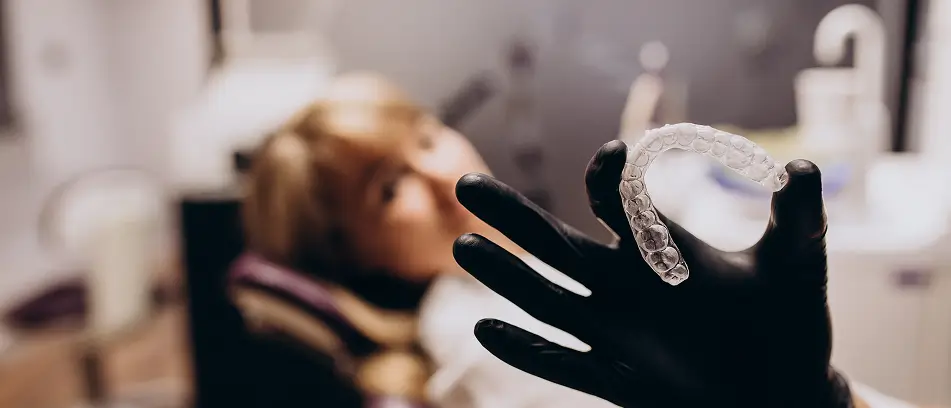
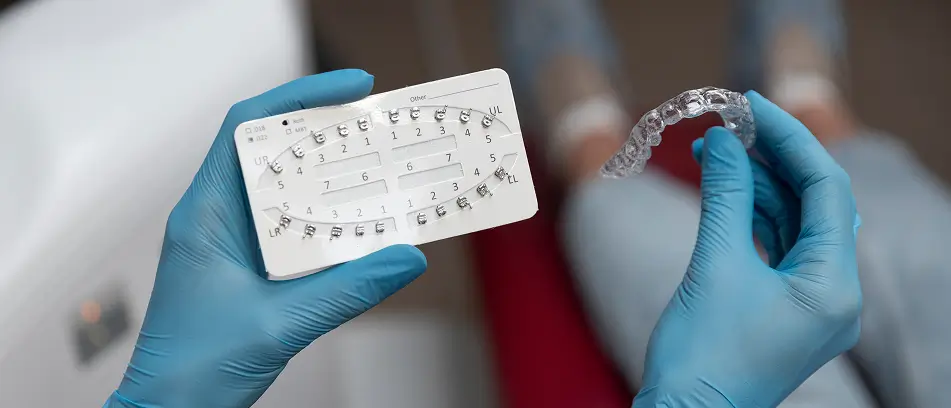
Clear aligners are custom-made, transparent trays designed to gradually shift your teeth into proper alignment. Unlike traditional braces, they don’t rely on metal brackets or wires. Instead, they use controlled, staged movements guided by digital treatment planning.
Each set of aligners is worn for about 1–2 weeks before switching to the next set. Over time, these small adjustments add up to significant changes in tooth positioning.
What makes them different in 2026 is the integration of treatment simulations and 3D scanning technology, which allows dentists to map your entire smile transformation before the treatment even begins.
For example, if a working professional wants to fix mild crowding without affecting client meetings, aligners offer a nearly invisible solution that fits seamlessly into daily life.
Why We Should Use Clear Aligners
Orthodontic treatment today is about doing it in a way that aligns with your lifestyle, confidence, and daily comfort. Traditional braces still serve a purpose, but they often come with visible hardware, dietary restrictions, and frequent adjustments that can feel disruptive.
This is exactly why working professionals and adults are actively choosing clear aligners. They offer a modern, patient-centric approach that focuses not only on clinical results but also on convenience, aesthetics, and predictability.
Discreet Appearance
Clear aligners are virtually invisible. Whether you are attending meetings, social events, or presentations, most people won’t even notice you’re undergoing treatment.
Comfortable Experience
Unlike metal braces, aligners don’t have sharp edges or wires. This significantly reduces irritation inside the mouth.
Removable Convenience
You can remove aligners while eating, brushing, and flossing. This means no dietary restrictions and better oral hygiene throughout the treatment.
Predictable Results
With digital planning, you can see a simulation of your final smile before you start. This removes uncertainty and builds confidence in the process.
Faster Adjustments
In many cases, aligners can correct alignment issues in 6 to 12 months, depending on complexity.
Clear Aligners for Different Age Groups
Not everyone needs the same type of treatment. Age, dental condition, and lifestyle all influence how aligners work.
| Age Group | Suitability | Common Use Cases |
|---|
| Teenagers (13–19) | Highly suitable | Mild crowding, spacing issues, post-braces relapse |
| Young Adults (20–35) | Ideal candidates | Cosmetic alignment, professional appearance concerns |
| Adults (35–50) | Very effective | Teeth shifting over time, bite correction |
| 50+ Individuals | Case-dependent | Minor corrections, maintenance of dental health |
For instance, a 28-year-old marketing professional may use aligners to correct front teeth alignment before important client-facing roles, while a 45-year-old may opt for them to fix gradual spacing that developed over years.
How to Straighten Your Teeth with Clear Aligners
Straightening your teeth with clear aligners follows a structured, medically guided process designed for precision and gradual improvement.
Each stage is carefully planned to ensure controlled tooth movement while maintaining comfort and consistency throughout the treatment journey.
Initial Consultation and Assessment
Your transformation begins with a comprehensive evaluation, during which a dentist examines your oral health using high-definition digital scans or physical impressions.
This critical diagnostic phase determines whether you are a prime candidate for clear aligners by checking for issues such as tooth decay or gum disease that must be addressed before movement begins.
Digital Treatment Planning
Once your data is captured, advanced orthodontic software creates a precise, step-by-step roadmap of every tooth’s movement.
This is the most exciting part for many patients, as you can view a 3D simulation of your future smile before the first tray is even manufactured.
Custom Aligner Fabrication
After you approve your virtual plan, your data is sent to a specialized laboratory where your custom trays are 3D-printed using medical-grade, BPA-free plastic.
Each set of trays is engineered with microscopic precision to represent a specific stage of your alignment, applying just the right amount of force to specific teeth at specific times.
Wearing Schedule Discipline
The success of your treatment relies heavily on your commitment to the schedule. You must wear your clear aligners for at least 20 to 22 hours every day to ensure the biological process of tooth movement remains consistent.
Frequent removal for long periods can lead to “tracking” issues, where the teeth fail to keep up with the trays.
Regular Monitoring
Even though you are doing the work at home, periodic dental check-ups are essential to ensure your progress matches the digital plan.
These visits allow your dentist to make minor adjustments or add “attachments,” such as tiny tooth-colored bumps, that help the aligners grip the teeth more effectively for complex movements.
Transition to Retainers
Once you reach your final tray and your smile is perfectly straight, the journey isn’t quite over.
You will transition to custom retainers, which are worn primarily at night to “set” the bone around your teeth and prevent them from naturally shifting back to their original, crooked positions.
Cost and Financing of Clear Aligners
One of the most common concerns around clear aligners is understanding the investment involved. However, treatment is never one-size-fits-all. It depends on factors such as the complexity of your case, the number of aligners required, and the planning technology used.
Mild corrections typically require fewer stages, while advanced alignment or bite issues involve a more detailed treatment approach. Clinics using digital scans and precision planning also ensure more predictable outcomes.
Most importantly, many clinics today offer flexible payment options to make treatment accessible.
Instead of relying on general estimates, it’s best to get a personalized consultation. At PowerSmiles Dental Clinic, experts evaluate your teeth and guide you with a treatment plan tailored specifically to your needs, so you know exactly what to expect before you begin.
Conclusion
Your smile plays a powerful role in how you present yourself, personally and professionally. And nowadays, there’s no need to compromise your appearance during treatment.
Clear aligners have transformed orthodontics by offering a discreet, comfortable, and highly effective solution. Whether you’re a student, a working professional, or someone looking to regain confidence later in life, aligners provide a flexible path to a better smile.
If you have been postponing treatment because of visibility, discomfort, or lifestyle concerns, now is the time to reconsider.
At PowerSmiles Dental Clinic, experienced dental professionals use advanced technology and personalized treatment planning to help you achieve your ideal smile, without disrupting your daily routine. Take the first step today. Book your consultation and see how your smile can transform in just a few months.
Frequently Asked Questions