Table of contents
I was tired of hiding my smile every time someone took a photo. Eating certain foods had become uncomfortable, and I constantly worried about the gap in my teeth.
This is a common experience for many people living with missing teeth. Beyond appearance, tooth loss can affect confidence, speech, chewing ability, and overall oral health.
That is why dental implants have become one of the most trusted and long-lasting solutions for replacing missing teeth. However, before committing treatment, most patients want an answer to one important question: How long can dental implants really last?
Understanding the dental implant lifespan is essential because implants are a significant investment in your oral health and quality of life. Unlike temporary tooth replacement options, dental implants are designed to provide stability, function, and durability for many years.
Understanding How Dental Implants Work
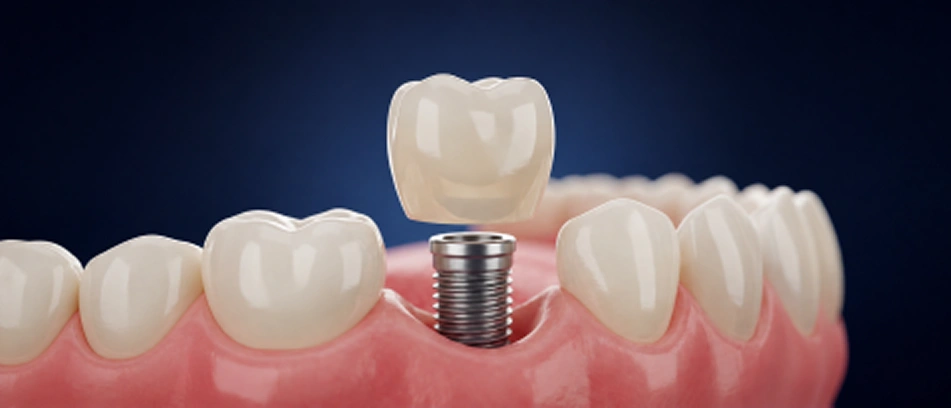
A dental implant consists of three main parts:
- The titanium implant post placed into the jawbone
- The abutment that connects the implant to the restoration
- The crown, bridge, or denture attached to the implant
The implant post acts like a natural tooth root. Once placed, it fuses with the jawbone through a process called osseointegration. This creates a stable and strong foundation that supports daily chewing and speaking.
Because the implant becomes part of the bone structure, it offers advantages that traditional dentures and bridges cannot provide.
What Is the Average Dental Implant Lifespan?
Most modern dental implants are designed to last 20 years or more. In fact, many patients keep their implants for life with proper maintenance.
Research published in leading dental journals has shown that dental implants have a success rate of approximately 95% after 10 years.
These numbers demonstrate why implants are considered one of the most predictable treatments in modern dentistry.
The dental implant lifespan depends on several factors, including oral hygiene habits, overall health, and the quality of treatment during placement.
While the implant post itself may last a lifetime, the crown attached to it may require replacement after 10 to 15 years due to normal wear and tear.
Factors That Influence Implant Longevity
Not every implant lasts the same amount of time. Several factors can significantly affect outcomes.

Oral Hygiene Habits
Good oral hygiene remains the most important factor for implant success. Plaque and bacteria can accumulate around implants just as they do around natural teeth.
Daily brushing and flossing help prevent peri-implantitis, a condition similar to gum disease that can damage surrounding bone and tissue. Patients who maintain consistent oral care routines typically experience better long-term results.
Bone Quality and Density
Successful implants require adequate bone support. Patients with strong jawbone density often experience faster healing and greater implant stability.
For example, a patient who receives a bone graft before implant placement may need additional healing time, but the procedure can greatly improve long-term success.
Smoking and Tobacco Use
Smoking is one of the leading risk factors for implant complications. Tobacco reduces blood flow to the gums and slows healing.
According to clinical studies, smokers may experience implant failure rates up to twice as high as non-smokers. Quitting smoking before and after treatment can significantly improve outcomes.
Overall Health Conditions
Medical conditions such as uncontrolled diabetes, osteoporosis, and immune disorders may influence healing and implant stability.
Patients with well-managed health conditions can still be excellent candidates, but close monitoring by both medical and dental professionals is important.
Bite Force and Teeth Grinding
Excessive pressure on implants can shorten their lifespan. Patients who grind or clench their teeth during sleep may place significant stress on restorations. Dentists often recommend custom night guards to protect implants from unnecessary wear.
The Difference Between Implant and Crown Longevity
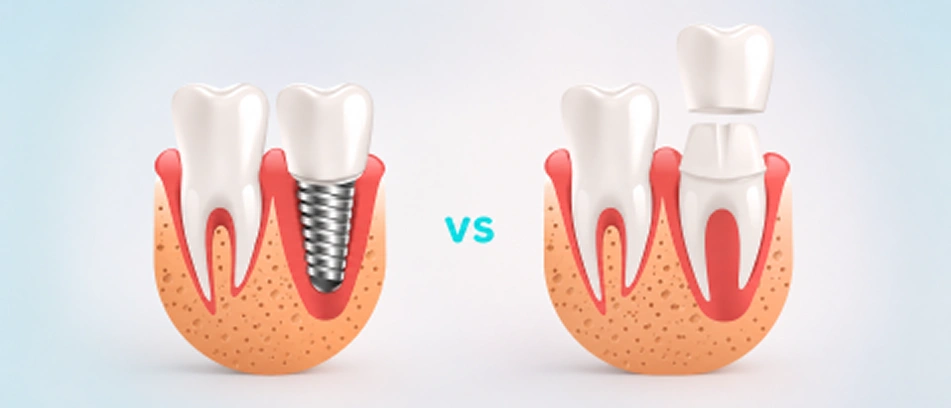
Many people assume that all restoration ages progress at the same rate. In reality, the implant post and crown have different life expectancies.
The titanium implant integrates with bone and can remain stable for decades. The visible crown, however, is subject to daily chewing forces and may eventually show signs of wear.
For instance, a patient who receives an implant at age 40 may still have the original implant at age 70, but the crown might have been replaced once during that period. Understanding this distinction helps set realistic expectations regarding the dental implant lifespan.
Signs That an Implant Needs Attention
Dental implants generally do not develop cavities, but they can still experience complications. You should always watch for symptoms such as:
- Persistent gum inflammation around the implant
- Bleeding during brushing
- Loose crown or restoration
- Pain when chewing
- Receding gums around the implant site
Early intervention often prevents minor issues from becoming major problems. Routine dental visits allow dentists to identify concerns before they affect implant stability.
How to Extend the Life of Your Dental Implant
Patients can take several practical steps to maximize implant longevity.
Maintain Daily Oral Care
Brush at least twice daily using a soft-bristled toothbrush. Clean between teeth and implants with floss or interdental brushes.
Attend Regular Dental Checkups
Professional cleanings remove plaque deposits that home care may miss. Most dentists recommend visits every six months.
Wear a Night Guard if Needed
If you grind your teeth, a protective appliance can reduce excessive pressure on the implant and surrounding teeth.
Avoid Using Teeth as Tools
Opening packages or biting hard objects can damage restorations and create unnecessary stress on implants.
Follow Professional Recommendations
Every patient’s situation is unique. Following post-treatment instructions helps protect your investment and supports long-term success.
All these habits can significantly improve the dental implant lifespan and reduce the risk of complications.
Are Dental Implants Worth the Investment?
Although implants typically have a higher upfront cost than bridges or dentures, their longevity often makes them a cost-effective option over time.
Traditional bridges may require replacement every 10 to 15 years and can affect neighboring teeth. Dentures often need adjustments and replacements as jawbone changes occur.
Dental implants preserve bone structure, function like natural teeth, and offer exceptional durability. For many patients, these benefits outweigh the initial treatment cost.
When evaluating treatment options, the long-term dental implant lifespan often becomes one of the strongest reasons patients choose implants.
When Dental Implants Fail
While implant failure is relatively uncommon, it can happen. Early failure usually occurs during healing and may result from infection, inadequate bone integration, or excessive movement.
Late failure often develops years later due to poor oral hygiene, gum disease, smoking, or excessive bite pressure.
Fortunately, advances in implant technology and treatment planning have made failures increasingly rare. Choosing an experienced implant dentist further improves the likelihood of long-term success.
Conclusion
The dental implant lifespan is one of the key advantages that makes dental implants a preferred tooth replacement solution. With success rates exceeding 95% after a decade and many implants lasting 20 years or more, they offer exceptional value for patients seeking a permanent solution.
If you are considering tooth replacement options, discussing your oral health, lifestyle, and treatment goals with an experienced dental professional can help determine whether implants are the right long-term investment for your smile.
At PowerSmiles dental, we believe every patient deserves a confident, healthy, and functional smile. Our experienced dental team uses advanced implant technology, detailed treatment planning, and patient-focused care to deliver long-lasting results.
Schedule a consultation with us today to discover how dental implants can transform your oral health and provide a reliable solution for years to come.
Frequently Asked Questions
Yes, many dental implants can last a lifetime when placed correctly and maintained with good oral hygiene. Regular dental checkups and healthy lifestyle habits play a major role in long-term success.
The average dental implant lifespan is 20 years or more. In many cases, the titanium implant post remains functional for decades, while the crown may need replacement after 10–15 years due to normal wear.
No. Dental implants should be cared for much like natural teeth. Daily brushing, flossing, and professional cleanings help prevent gum disease and support long-term implant health.
Smoking, poor oral hygiene, untreated gum disease, uncontrolled diabetes, and teeth grinding can all reduce implant longevity. Following our expert recommendations can help protect your investment and extend implant life.