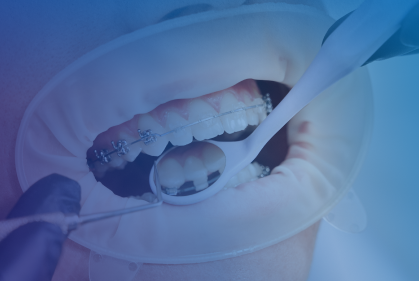
The Biology of Tooth Movement in Orthodontics
Have you ever wondered why braces or clear aligners take months, sometimes years, to straighten teeth instead of just a few weeks? Many patients begin orthodontic treatment expecting fast results.
Table of contents
Have you ever brushed your teeth in a hurry, skipped flossing, and told yourself, “It is fine… I take care of it later.”
Most of us treat oral care like a small daily task until something starts hurting. A sharp toothache, bleeding gums, and bad breath that won’t go away. Suddenly, oral health becomes urgent.
Here is something that might surprise; your mouth is often the first place your body shows signs of imbalance. And according to the World Health Organization, nearly 3.5 billion people worldwide are affected by oral diseases.
Untreated dental caries (cavities) in permanent teeth is one of the most common health conditions globally. That is not a small issue, but a public health concern.
And yet, oral care is one of the most underestimated parts of self-care.
Let’s talk honestly about why oral hygiene is important and why maintenance of oral hygiene is important.
For example, studies published in the Journal of Periodontology indicate that individuals with severe gum disease are nearly 2 to 3 times more likely to have heart disease.
1. Plaque irritates your gums.
2. Gums become inflamed (gingivitis).
3. If untreated, it progresses to periodontitis.
4.The bone that supports your teeth starts to break down.
You may not feel pain initially. That is the dangerous part, and gum disease is often silent until it is advanced. Maintaining oral hygiene prevents this entire cascade.
If chewing becomes painful, you may avoid healthy foods like fruits, nuts, or salads and shift toward softer, processed foods. That indirectly affects your overall health.
So when we ask why oral hygiene is important, the answer is layered: medical, psychological, and social.
Maintaining oral hygiene is not about brushing harder. It is about brushing smarter and consistently disrupting bacterial colonies.
Your mouth hosts over 700 species of bacteria. Not all are harmful. The goal is balance and not just sterilization.
Saliva plays a protective role. It neutralizes acids and helps remineralize enamel. But when sugar intake is frequent, acid production increases and overwhelms saliva’s defense.
That is why frequency matters more than quantity. Sipping sugary drinks throughout the day is worse than having one sweet meal.


Regular dental visits allow professional scaling to remove tartar and help detect issues early before they become serious.
Routine checkups help you to prevent advanced gum disease, reduce treatment costs, and ensure long-term maintenance of oral hygiene. These simple yet consistent steps support long-term oral hygiene maintenance.

Many patients say, “But my teeth look fine.” Here is a common scenario: a 35-year-old adult with no pain, no visible cavities, but mild gum bleeding. Ignored for years. Eventually, they notice tooth mobility.
Diagnosis? Advanced periodontitis.
The damage happened silently. That is why routine oral hygiene care and maintenance are preventive, not reactive.
Always take one important key piece of advice that “consistency beats perfection.”
Foods that increase risk:
Think of it this way: your diet either feeds harmful bacteria or supports protective mechanisms
Tooth decay is one of the most common chronic childhood diseases. Early education is crucial.
Start cleaning a baby’s gums even before teeth erupt. Introduce brushing as soon as the first tooth appears. Supervise brushing until at least age 7–8. Early maintenance of oral hygiene builds lifelong patterns.
These are signals. Early intervention makes treatment simpler and less expensive.
If you think about it, brushing your teeth takes about 4 minutes per day. That is less than 0.3% of your day. But that small investment protects your smile, your heart, your metabolism, and your confidence.
So next time you feel tempted to skip brushing because you are tired, remember, your future self is watching. Oral health is not about perfection; it is about daily, mindful maintenance of oral hygiene. You deserve a healthy mouth, not just a white smile.
No. It usually indicates inflammation or early gum disease.
Brush twice daily with fluoride toothpaste and limit sugary snacks.
Helpful, but not a replacement for brushing and flossing.
Other Blogs
Have you ever wondered why braces or clear aligners take months, sometimes years, to straighten teeth instead of just a few weeks? Many patients begin orthodontic treatment expecting fast results.

Home > Blog > Teeth Braces Side Effects Teeth Braces Side Effects: What’s Normal & How We Ensure Your Comfort Table of contents Introduction Why Do Braces Cause Side Effects?

Home > Blog > Milk Teeth Care Milk Teeth Care: Why Baby Teeth Matter and How to Prevent Cavities Table of contents Introduction Why Baby Teeth Matter How Do Cavities
WhatsApp us