Gum disease usually begins without obvious signs. Most people do not feel pain at first, so it can go unnoticed. When symptoms finally appear, the damage may already be advanced. Learning how to prevent gum disease is important for your long-term oral health. Healthy gums keep your teeth strong, lower the risk of tooth loss, and support your overall health.
In this guide, you will learn what gum disease causes, how to spot gum disease symptoms in the early stages, and what happens as the condition progresses.
What Is Gum Disease and What Gum Disease Causes
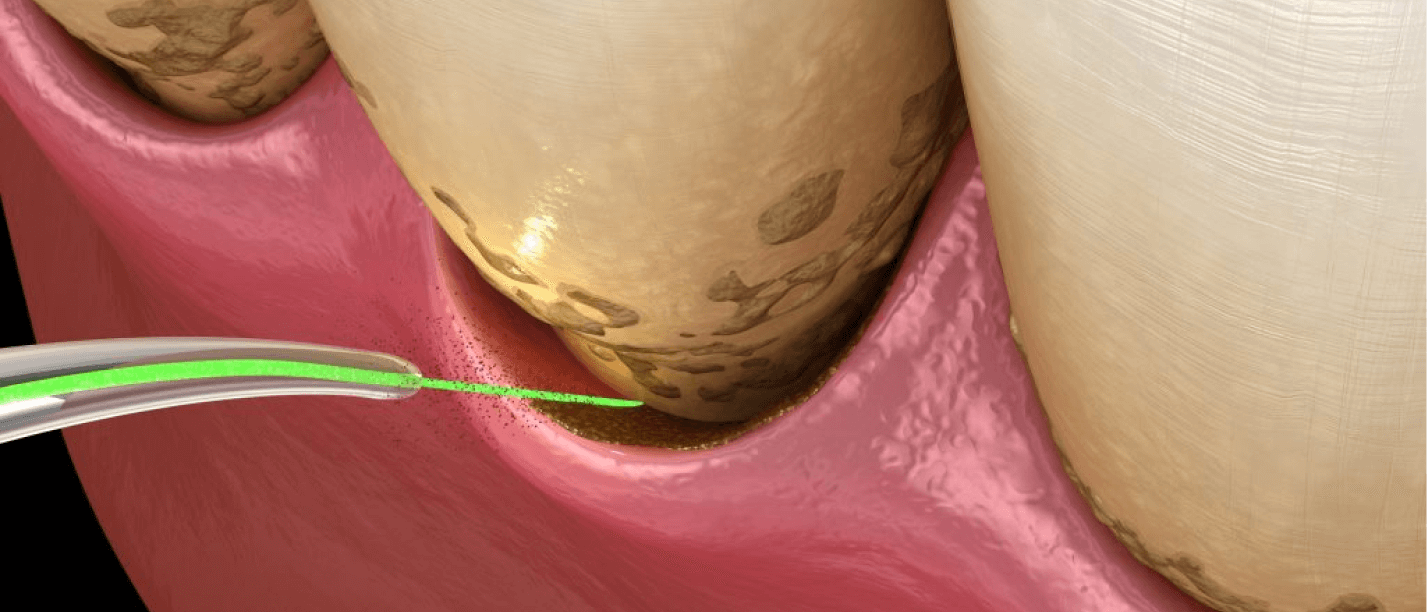
Gum disease, also called periodontal disease, is an infection in the parts of your mouth that hold your teeth. It starts when sticky plaque builds along the gums and hardens into tartar. Bacteria in plaque bothers the gums and makes them swollen. Without care, this infection can go deeper, hurting the gums and bones that keep your teeth in place. This can cause pain, bad breath, loose teeth, and even tooth loss. Good daily care and regular dental visits can stop this from happening early on.
Gum Disease Symptoms to Watch For
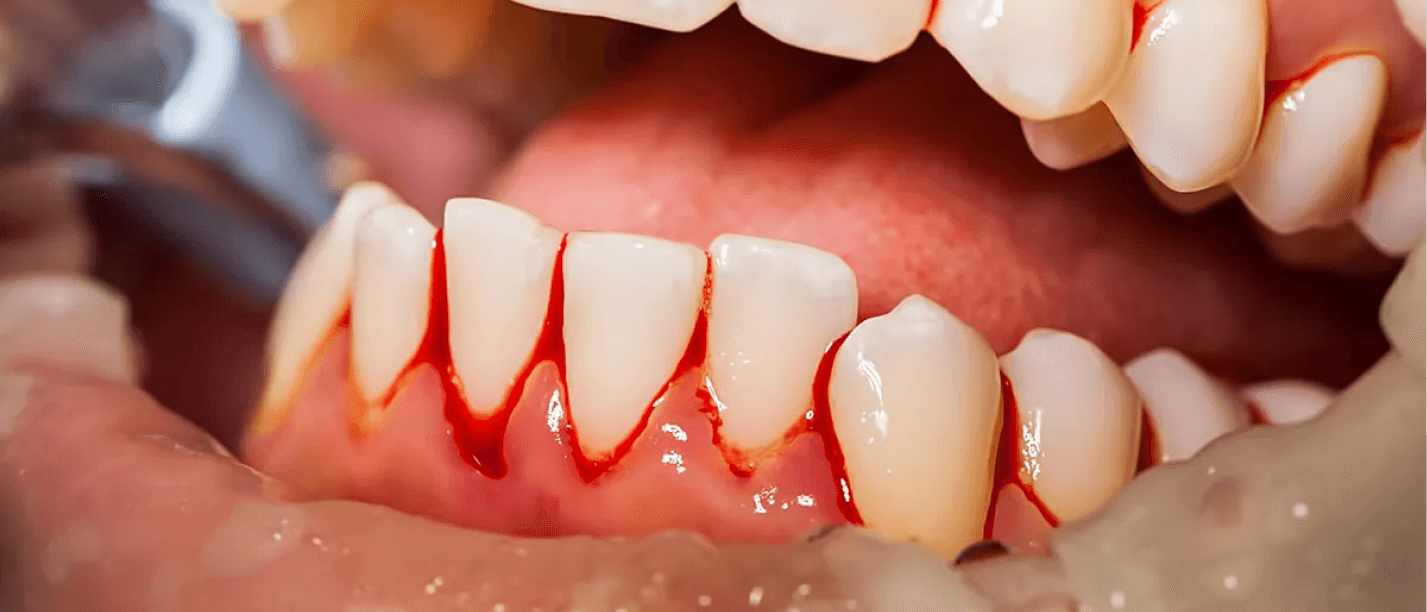
Gums that bleed during brushing or flossing
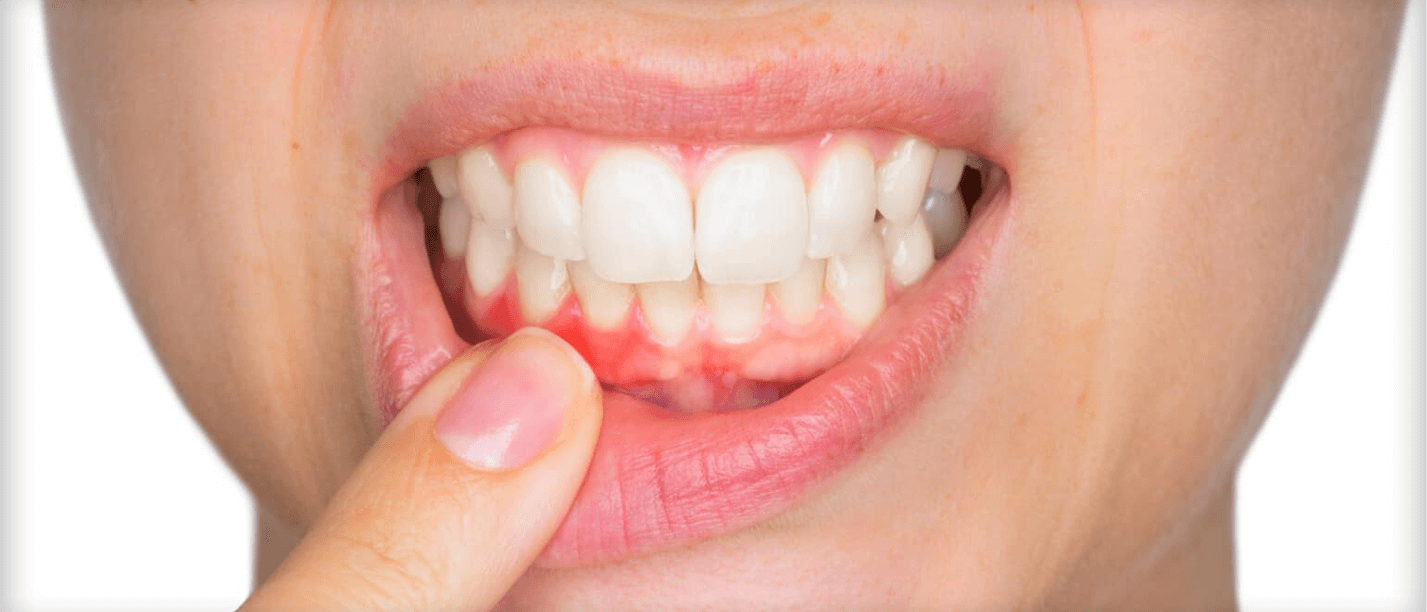
Gums that look red, swollen, or tender
Bad breath that won’t go away
Gums that start to pull away from teeth
Loose teeth or changes in bite
Gum Disease Stages Explained Simply
Knowing the stages of gum disease helps you understand what to expect and why it is important to take action.
1. Early Stage (Gingivitis)
This is the first stage. Gums become inflamed, red, and may bleed. At this point, the problem is mild and can usually be reversed with better brushing and flossing.
2. Growing Infection (Early Periodontitis)
If gingivitis is not treated, bacteria move under the gums and make small gaps. Gums start to pull away from teeth, and bone loss can start. You may notice bad breath and more bleeding.
3. Advanced Periodontitis
In the later stages, bone loss becomes worse, teeth may loosen, and gums may shrink. This stage is harder to treat and may require surgery.
How to Prevent Gum Disease Every Day
Healthy habits at home are the first line of defense when you learn how to prevent gum disease. These steps are easy but strong in effect:
Daily Habits
Brush your teeth twice a day for at least two minutes each time. Use a soft toothbrush and fluoride toothpaste.
Floss once a day to clean between your teeth where a toothbrush cannot reach.
Use an antibacterial mouth rinse if your dentist recommends it.
Do not use tobacco products. Smoking raises your risk of gum disease.
Eat foods high in vitamins and fiber and drink water often.
Professional Care
Visit your dentist for a checkup every six months.
Get your teeth cleaned by a dentist to remove hard tartar. Only a dental professional can take off tartar.
If you notice early signs, ask for a periodontal exam.
These routines work together to block plaque buildup and stop gum infection before it gets worse.
Simple Explanation of What Gum Disease Causes
What gum disease causes is mostly linked to plaque and bacteria. Plaque sticks to teeth after eating and grows quickly. If not removed, it hardens into tartar. Tartar traps more bacteria and pushes them under the gumline. This starts the cycle of inflammation and tissue damage that we call gum disease.
Some things make gum disease more likely, like smoking, diabetes, changes in hormones, and some medicines. These make it harder for your gums to heal and fight infection.
Gum Disease Treatment: What Works Best
If gum disease has already started, your dentist will make a treatment plan based on how serious it is.
Non-Surgical Treatments
Scaling and Root Planing: A deep cleaning that removes plaque and tartar from above and below the gums.
Antibiotic rinses or gels to lower bacteria: These work well, especially if the disease is found early.
Surgical Options
When pockets are deep or bone is lost, your dentist may suggest:
Pocket reduction surgery to clean deeper parts of the gums
Tissue or bone grafts to replace lost bone or gum support
These treatments help stop the infection and help your gums get better. Treating
gum disease early works best.
Not sure which
gum disease treatment is right for you? Schedule a consultation at
PowerSmiles Dental Clinic today for a clear treatment plan.
Why Early Signs Matter
Finding gum disease early helps you. Signs often show up before you feel pain. At the gingivitis stage, regular cleaning and good care at home can fix the problem. Once bone loss starts, you need a dentist to help. Do not wait for pain. Acting early is easier on your body and your wallet.
Better Habits for Gum Health
Healthy gums need more than brushing and flossing:
Do not use tobacco.
Eat whole foods with vitamins C and D.
Drink water instead of sugary drinks.
Take care of stress and health problems like diabetes.
Food and lifestyle help your immune system, which protects your gums as much as your teeth.
When to See a Dentist
Talk to your dentist right away if you notice:
Gums that bleed often
Gums pulling away from teeth
Persistent bad breath
Pain or loose teeth
Even if you have none of these signs, plan routine visits. Your dentist can find issues you might miss.
Helpful Patient Pathways
Here are common care paths for gum problems:
Bleeding gums only: Improve home care and cleaning.
Early periodontitis: Deep cleaning plus follow-up visits.
Advanced disease: Specialist care and possible surgery.
Conclusion
Gum disease often develops slowly and without pain, which makes early care important. With the right daily habits and regular dental checkups, most gum problems can be prevented or controlled. Paying attention to early warning signs helps protect your teeth and avoid more complex treatment later.
If you notice bleeding gums, swelling, or persistent bad breath, contact
PowerSmiles Dental Clinic today for a complete gum health evaluation. Early diagnosis and timely care can make a lasting difference in protecting your smile.
Frequently Asked Questions