Have you ever looked at your toddler’s tiny, pearlescent smile and wondered if those teeth really need a strict brushing routine since they are just going to fall out anyway? It is a common sentiment among parents, but the reality is quite shocking.
According to the World Health Organization, dental caries (tooth decay) is the most common chronic childhood disease globally. In fact, nearly 60% of children experience some form of decay by the time they reach kindergarten.
While these primary teeth are temporary, their impact on your child’s long-term development is permanent. We often view them as “placeholders,” but they are actually the foundation for speech, nutrition, and self-confidence.
Let’s read why these early years are so critical and how you can protect that precious smile from the silent threat of cavities.
Why Baby Teeth Matter
It is easy to fall into the trap of thinking milk teeth are disposable. However, they serve three vital functions that go far beyond just looking cute in photos.
1. The Blueprint for Adult Teeth
Think of primary teeth as the “GPS” for the permanent teeth waiting under the gums. Each baby tooth holds the exact space required for its adult successor. If a child loses a tooth too early due to decay, the neighboring teeth often tilt or drift into the space left by the missing tooth.
When the adult tooth finally tries to emerge, it finds its “parking spot” taken, leading to crowded or crooked teeth that require expensive orthodontic treatment later.
2. Developmental Milestones: Speech and Nutrition
How can a child learn to pronounce “th,” “s,” or “l” without their front teeth? Milk teeth play a structural role in speech development. Without them, children may develop lisping or other phonetic challenges.
Furthermore, healthy teeth allow for a diverse diet. A child with dental pain will naturally avoid crunchy vegetables and tough proteins, potentially leading to nutritional deficiencies during a period of rapid growth.
3. Boosting Self-Esteem and Social Confidence
Have you ever seen a child hide their smile because of dark spots or missing teeth? Even at a young age, dental health impacts social interactions. Healthy teeth allow children to smile, laugh, and engage with their peers without hesitation. Protecting these teeth is as much about mental well-being as it is about physical health.
How Do Cavities Develop Baby Teeth?
Cavities result from a specific chemical process in the mouth. It starts with oral bacteria, specifically Streptococcus mutans, which feed on the sugars found in milk, juice, and snacks.
As these bacteria feast, they produce acid as a byproduct. This acid slowly dissolves the enamel, which is significantly thinner on baby teeth than on adult teeth.
Does your child go to bed with a bottle?
This is one of the most common “use cases” for rapid decay, often called “Baby Bottle Tooth Decay.”
When a child sleeps with a bottle of milk or juice, the liquid pools around the teeth for hours. Since saliva production decreases during sleep, there is nothing to neutralize the acid, leading to rampant cavities on the front teeth.
Is your child a "grazer"?
Frequent snacking, even on healthy foods like dried fruit or crackers, keeps the mouth in a constant state of acidity. Every time your child eats, it takes about 20 minutes for the mouth’s pH levels to return to normal. Constant snacking means the teeth never get a break from the acid attack.
The Ultimate Guide to Preventing Early Childhood Caries
Maintaining a cavity-free home requires a mix of the right tools and the right timing. Here is how you can stay ahead of the curve.
Start the Cleaning Routine Before the First Tooth Appears
You don’t need to wait for a tooth to start oral hygiene. Use a soft, damp cloth to gently wipe your infant’s gums after feeding.
This removes bacteria and acclimates your baby to having their mouth cleaned, making the transition to a toothbrush much easier later.
Use the Correct Amount of Fluoride Toothpaste
Once that first tiny white speck emerges, it is time for a toothbrush. For children under 3, use a smear (rice-sized) amount of fluoride toothpaste. For kids aged 3–6, a pea-sized amount is sufficient.
Prioritize Flossing as Soon as Teeth Touch
Many parents ask, “Do I really need to floss milk teeth?” The answer is yes! As soon as two teeth are touching, a toothbrush bristle cannot reach the space between them.
This is where most hidden cavities start. Using colorful floss picks can make this a fun nightly “treasure hunt” for food particles.
Limit Sugary and Sticky Foods in the Diet
It is not just about the amount of sugar; it’s about the “stickiness.” Gummy vitamins and fruit leather are notorious for sticking in the grooves of molars for hours.
If your child does have a sweet treat, try to serve it during a main meal when saliva flow is highest, rather than as a standalone snack.
Implement the "Lift the Lip" Check Monthly
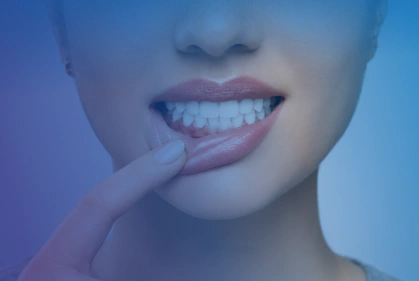
Take a moment once a month to lift your child’s upper lip and look at your teeth. You are looking for dull, white spots near the gum line.
These spots are the first sign of demineralization. Catching it at this stage often means we can reverse the damage with professional fluoride treatments before it becomes a physical hole.
Schedule the First Dental Visit by Age One
The First Birthday, First Visit rule is the gold standard of pediatric dentistry. This initial visit isn’t about drills or fillings; it’s about education.
A dentist can spot developmental issues early and provide a professional cleaning that removes hardened plaque (tartar) that a home toothbrush simply can’t budge.
Conclusion
Caring for your child’s oral health is a marathon, not a sprint. By prioritizing milk teeth today, you are setting your child up for a lifetime of health, confidence, and comfort. Remember, dental decay is almost 100% preventable with the right habits and professional guidance.
Are you ready to give your child a healthy smile? At PowerSmiles Dental Clinic, we specialize in gentle, comprehensive pediatric care that makes going to the dentist an adventure rather than a chore.
From preventive sealants to personalized nutritional advice, we are here to support your family every step of the way. Book your child’s check-up today and let’s keep those smiles shining bright!
Frequently Asked Questions