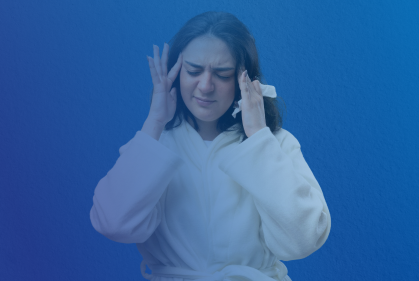
Migraine pain can disrupt your work, sleep, and daily routine. Many people want ways to manage symptoms without medication, especially when headaches come on suddenly. Gentle movement, stretching, and breathing can help ease tension and support recovery.
This guide explains the best exercises for migraine pain in clear, simple language. You’ll find out which exercises help most, how to do them safely, and how to use them for quick relief. The focus isn’t on intense workouts, but on calm, gentle movement that supports your body.
How Exercise Helps with Migraine Pain
Exercise helps your blood flow better, relaxes tight muscles, and lowers stress. This is important because migraines often come with a stiff neck, shallow breathing, and feeling overwhelmed.
Studies show that regular, moderate exercise can make migraines happen less often and feel less intense. Activities like walking, yoga, and light strength training often help when you do them regularly.
The key is choosing the best exercise for migraine pain, not pushing through discomfort. Gentle movement works better than hard workouts, especially during or near an attack.
When to Exercise and When to Stop
Before starting, keep these points in mind:
Start slow and move gently
Avoid sudden or jerky movements
Stop if pain increases, vision changes, or dizziness appears
Do not exercise during severe nausea or light sensitivity
If your migraines come with jaw pain, teeth grinding, or facial tension, dental issues like TMJ problems could be involved. Clinics such as
PowerSmiles Dental Clinic can check for jaw-related factors that might cause recurring headaches.
The Best Exercise for Migraine Pain
There is no single exercise that works for everyone. However, studies and clinical experience show that neck stretches, breathing exercises, yoga poses, and light aerobic movement offer the most benefit.
Below are eight proven options. These form the foundation of the best exercise for migraine pain when used regularly and correctly.
1. Neck Side Stretch for Migraine Tension Relief
Neck stiffness is a common problem during migraines, especially for people who sit for long hours or use screens daily. This gentle stretch helps loosen tight muscles that often increase pressure around the head and worsen migraine pain.
How to do it
Sit upright with shoulders relaxed
Slowly tilt your head toward your right shoulder
Keep the shoulder down and relaxed
Hold for 20 seconds
Return to center and repeat on the left side
This stretch improves neck flexibility and reduces muscle strain. When practiced daily, it supports better posture and may lower how often neck tension adds to migraine discomfort.
2. Chin Tuck Exercise for Posture-Related Migraine Pain
Poor posture places extra stress on the neck and upper spine, which can trigger migraines over time. This simple movement strengthens deep neck muscles and is often considered the best exercise for migraine pain linked to posture issues.
How to do it
Sit or stand with your back straight
Look forward with your chin level
Gently pull your chin straight backward
Hold for five seconds
Relax and repeat ten times
Chin tucks reduce forward head posture and ease pressure on the neck. With regular practice, they help reduce headaches caused by long hours of sitting or screen use.
3. Shoulder Blade Squeeze to Reduce Upper Back Stress
Tight shoulders and upper back muscles can send pain signals toward the neck and head. This exercise releases built-up tension and helps the upper body stay relaxed during daily tasks.
How to do it
Sit or stand comfortably
Keep arms relaxed at your sides
Gently squeeze your shoulder blades together
Hold for five seconds
Relax and repeat ten to fifteen times
This movement improves upper back support and reduces neck strain. It is useful for preventing stiffness that may contribute to migraine pain later in the day.
4. Deep Breathing for Migraine Exercise for Instant Relief
Stress and shallow breathing can increase migraine intensity. Slow breathing calms the nervous system and helps lower pain signals, making this a helpful migraine exercise for instant relief during early symptoms.
How to do it
Sit or lie in a comfortable position
Inhale slowly through your nose for four counts
Exhale gently through your mouth for six counts
Continue for two to three minutes
Deep breathing promotes relaxation and steady oxygen flow. It is especially useful for people seeking quick relief for migraine headache without physical strain or medication.
5. Seated Spinal Twist for Neck and Head Comfort
Limited movement in the upper back can affect neck motion and increase migraine discomfort. Gentle spinal twists help release stiffness while keeping the body relaxed and supported.
How to do it
Sit with feet flat on the floor
Place your right hand on the back of the chair
Gently twist your upper body to the right
Hold for 15 seconds
Return to center and switch sides
This exercise supports smoother neck movement and reduces upper body tension. It is safe for people who feel stiff after sitting for long periods.
6. Child’s Pose Yoga Stretch for Stress Relief
Stress is a major migraine trigger for many people. This calming yoga pose relaxes the spine, neck, and shoulders while encouraging slow breathing and mental calm.
How to do it
Kneel on the floor and sit back on your heels
Lower your chest toward your thighs
Extend your arms forward
Rest your forehead on the floor or a cushion
Hold for 30 seconds
Child’s pose reduces physical and mental tension. Practicing it regularly supports relaxation and helps those focusing on how to prevent migraine through stress control.
7. Light Walking for Gentle Movement Support
Walking improves circulation and releases natural pain-relieving chemicals. It is often safe for people unsure about a workout during headache, especially when symptoms are mild or just beginning.
How to do it
Walk at a comfortable, easy pace
Choose a quiet and shaded area
Keep your breathing steady
Continue for 10 to 20 minutes
Walking regularly supports your overall health and balance. It can also lower the risk of getting headaches after exercise, especially from sudden or intense activity.
8. Jaw Relaxation Exercise for Hidden Migraine Triggers
Jaw tension and teeth clenching can add pressure around your temples and ears. Relaxing these muscles can ease facial strain and help with migraine relief, especially if you tend to grind your teeth.
How to do it
Slowly open and close your mouth
Gently massage jaw muscles with fingertips
Keep lips closed but teeth apart
Let your tongue rest naturally in the mouth
Relaxing your jaw makes you more comfortable and reduces facial tightness. This exercise is useful if your migraines are related to stress, clenching, or jaw tiredness.
A 3-Minute Routine for Quick Relief for Migraine Headache
When time is limited, this short routine helps with quick relief for migraine headache.
1. Deep breathing for 1 minute
2. Neck side stretch for 1 minute
3. Chin tucks for 1 minute
This routine is easy to do at home, work, or while traveling.
Workout During Headache: What You Should Know
A workout during headache should always be gentle. High-intensity exercise can worsen symptoms for some people. If you feel worse after workouts, reduce intensity and focus on stretching, breathing, or walking instead.
Listening to your body is essential. Pain is a signal, not a challenge to push through.
Common Reasons of Headaches After Working Out
Some people notice headaches after working out due to:
Dehydration
Skipping meals
Poor breathing technique
Sudden increase in exercise intensity
Drinking water, warming up properly, and avoiding breath-holding can reduce this risk.
How to Prevent Migraine with Exercise and Lifestyle Habits
Exercise works best when combined with healthy daily habits. To support how to prevent migraine, focus on:
Regular sleep schedule
Balanced meals
Proper hydration
Stress management
Consistent, moderate exercise
Avoid long gaps between meals and sudden changes in routine.
Conclusion
Choosing the
best exercise for migraine pain means focusing on gentle movement, not intensity. Neck stretches, breathing exercises, yoga, and walking are safe starting points for most people.
If migraines continue or seem linked to jaw discomfort or sleep issues, a dental evaluation may help uncover contributing factors. For personalized guidance, consider consulting
PowerSmiles Dental Clinic to explore supportive care options alongside lifestyle changes.
Frequently Asked Questions